Make the offer easy to understand.
Give each important service enough context for the right visitor to recognize a fit and keep moving.
Website development
If visitors cannot quickly understand what you offer, trust what they see, or find the right next step, the website is getting in their way. We build and improve responsive business websites that make services clearer and make it easier to call, request a quote, or book.
New builds and focused improvements are scoped around the pages, content, functionality, and platform your business actually needs.
What do you offer? Is it right for me? Why should I trust this business? How do I call, request help, book, or buy? We organize the experience around those decisions.
What a better site should do
Clear pages and dependable next steps reduce the work visitors must do to decide whether your business fits their needs.
Give each important service enough context for the right visitor to recognize a fit and keep moving.
Use clear business details, accurate proof, and consistent presentation instead of asking visitors to fill in the gaps.
Make calls, quote requests, forms, or booking paths easy to find and simple enough to complete.
Where appropriate, measure selected actions so future changes can start with evidence instead of opinions alone.
Illustrative website example
A useful website improvement can begin with one service page and one obvious action—not a complete rebuild.
A local service business lists every service together, gives little detail about who each service is for, and leaves the quote form buried near the bottom. A potential customer must piece together the offer and search for a way to ask for help.
The page explains the service, who it helps, what to expect, and why the business is credible. A visible quote or booking action appears when the visitor is ready, with a form that asks for the details the team needs.
This is an illustrative scenario, not a measured client result. It shows the kind of visitor problem a scoped website project can address.
Real public work
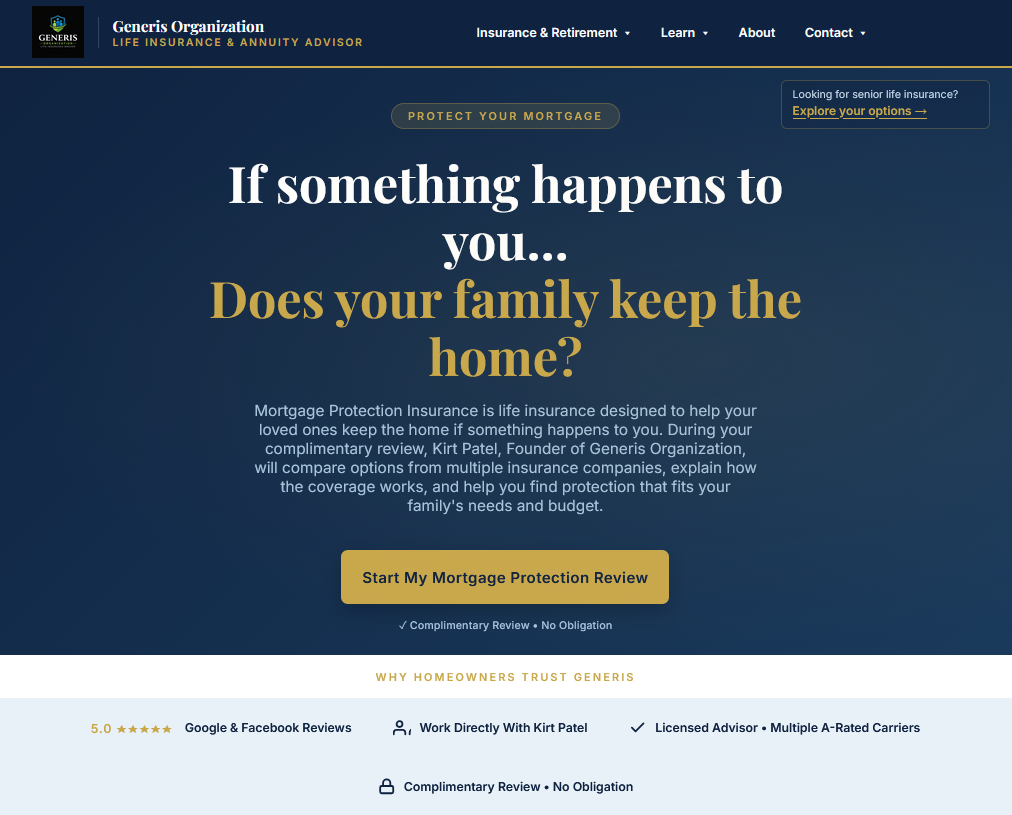
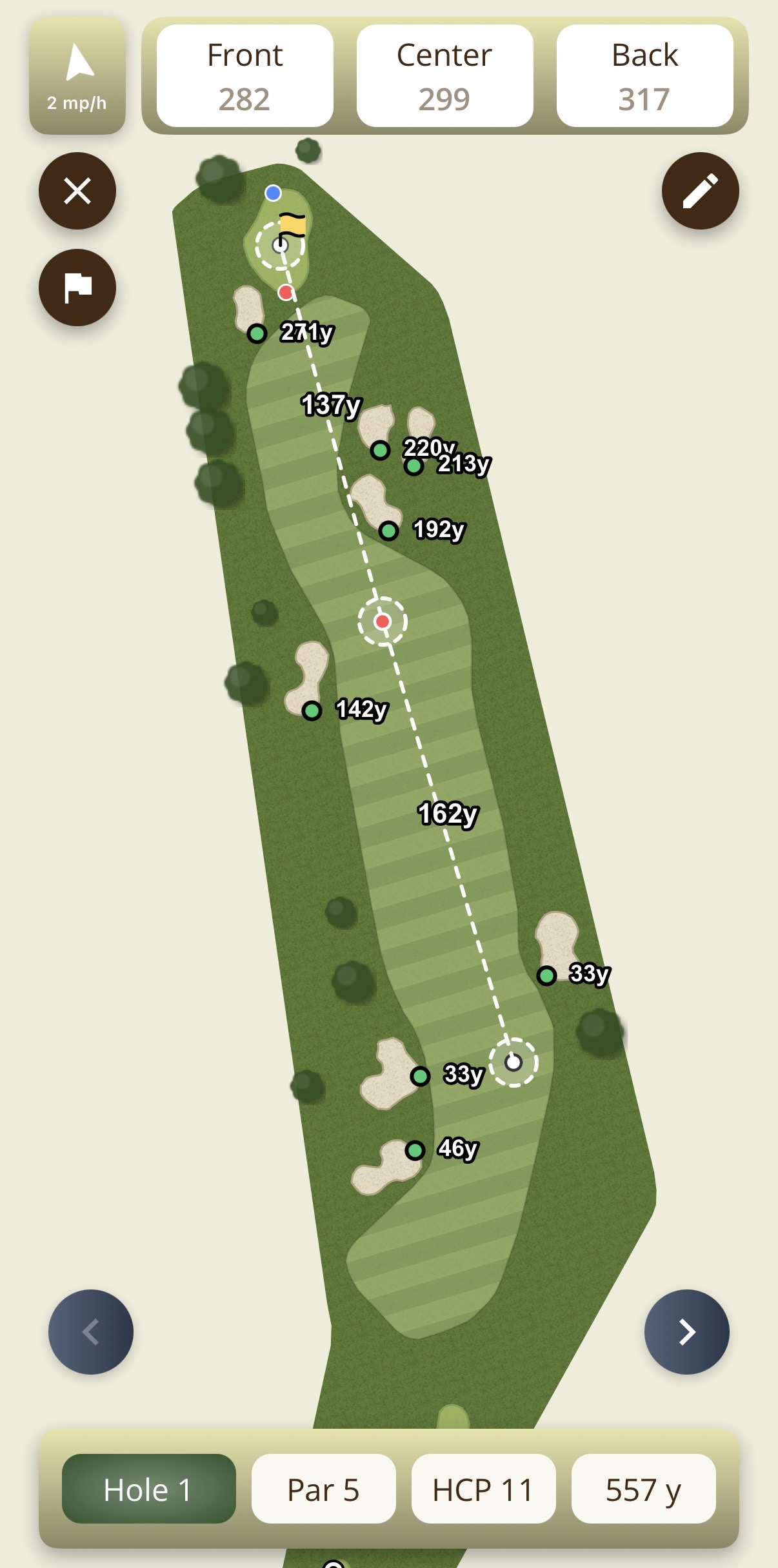
These approved screenshots show work for businesses we operate or are affiliated with. They demonstrate public interfaces and functionality—not traffic, lead, or revenue results.
Public service pages and an educational calculator give visitors information first, then offer separate inquiry and appointment paths.
View the case study →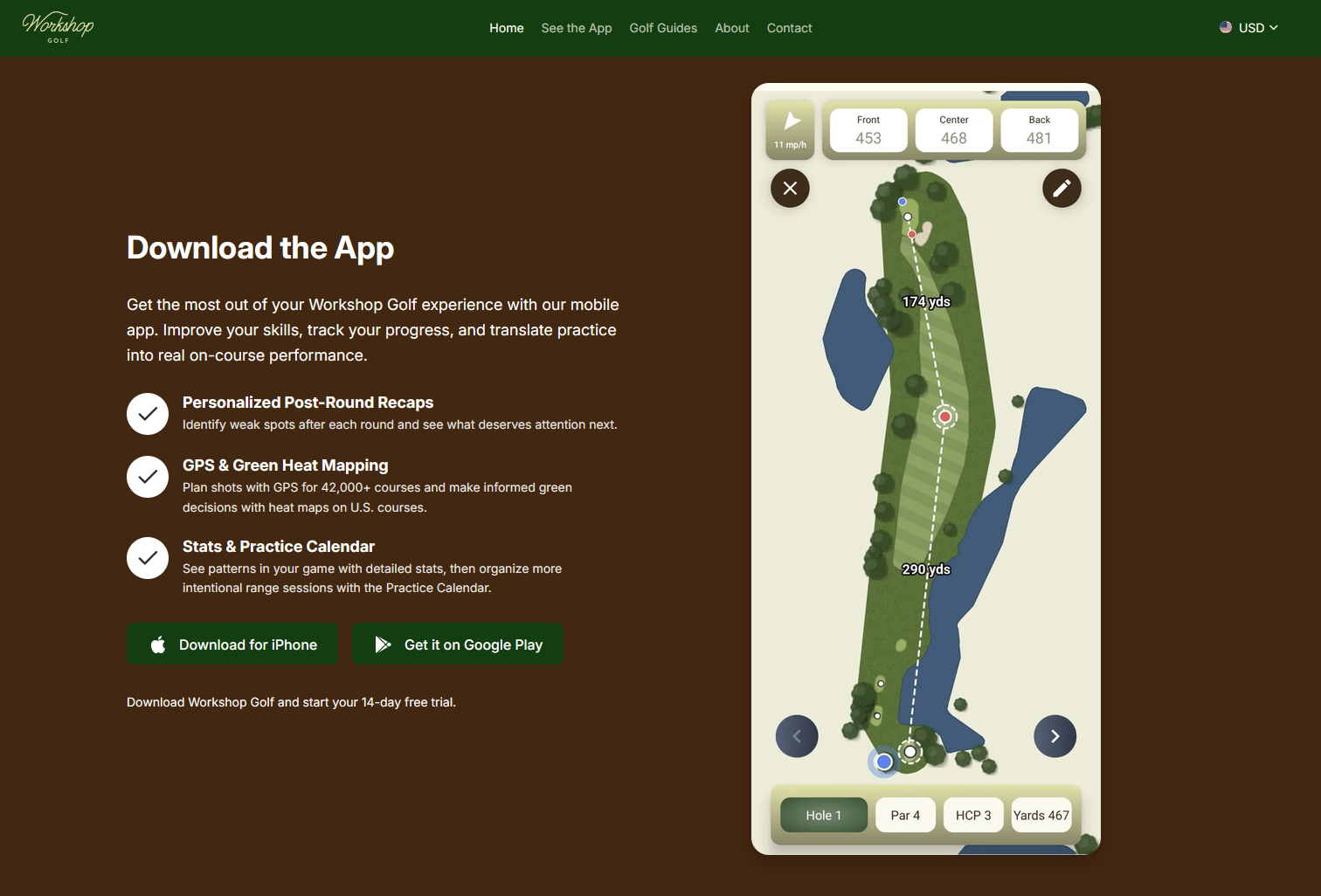
A product website presents the mobile experience, explains its use, and gives visitors clear paths to the published applications.
Explore the project →Relationship matters: these examples are not presented as independent client case studies, and no conversion-rate or sales improvement is claimed.
What we can work on
A project can be a focused landing page, an improvement to an existing site, or a broader build with forms, booking, and supported integrations.
Home, service, about, contact, location, and other pages organized around real visitor questions.
Pages aligned to a specific offer, audience, campaign, or next action without unrelated distractions.
Practical ways to request help, calculate an estimate, share context, schedule, or move to another supported system.
Layouts tested across screen sizes, accessible controls, sensible media, and attention to avoidable loading friction.
How we work
We define what the visitor needs to know and what your team can realistically handle before adding pages or features.
Identify what the visitor is trying to solve, what makes the business relevant, and which questions block action.
Decide what belongs on the site, how visitors find it, and which call, quote, or booking action matters most.
Create the approved pages and connect forms, booking, analytics, or other supported tools in scope.
Review responsive layout, links, forms, accessibility, important interactions, and agreed measurement behavior before handoff.
Plan the right scope
You can review public examples and starting project options before deciding whether the right first step is a page, a site, or a connected system.
Common questions
Not necessarily. We can review an existing site and scope a focused improvement when the platform and current foundation support it.
Yes. A landing page can be scoped around a specific offer, campaign, or audience, including the approved copy, form, booking path, and measurement requirements.
No. A clear, technically sound website supports search visibility and conversion paths, but rankings and inquiries also depend on competition, content, promotion, reputation, demand, and other factors.
Often, when the website and other tools provide suitable integration options. We confirm the supported data, permissions, failure handling, and testing scope first.
Start with the visitor
Tell us where visitors get confused, what they need to understand, and whether you want them to call, request a quote, or book. We’ll help define a practical website improvement around that path.